
Fatigue in menopause: causes and how to combat it
Updated on Sep 14, 2026
At a glance
Between 40% and 56% of women going through the menopausal transition report difficulty sleeping, compared with 31% of women in the late reproductive stage.
Disrupted sleep is the most common cause of fatigue in menopause, ahead of metabolic changes, increased stress and possible nutritional deficiencies.
In the 2025 Italian survey “Menopause and work”, increased fatigue due to unrefreshing sleep was the symptom with the greatest impact on professional life, ahead of hot flashes and joint pain.
Regular movement, good sleep habits and stress management remain the most effective approaches; supplementation makes sense only after blood tests have documented a deficiency.
Fatigue that persists for weeks requires a medical assessment, because anemia, thyroid dysfunction and sleep-related breathing disorders can produce the same symptoms.
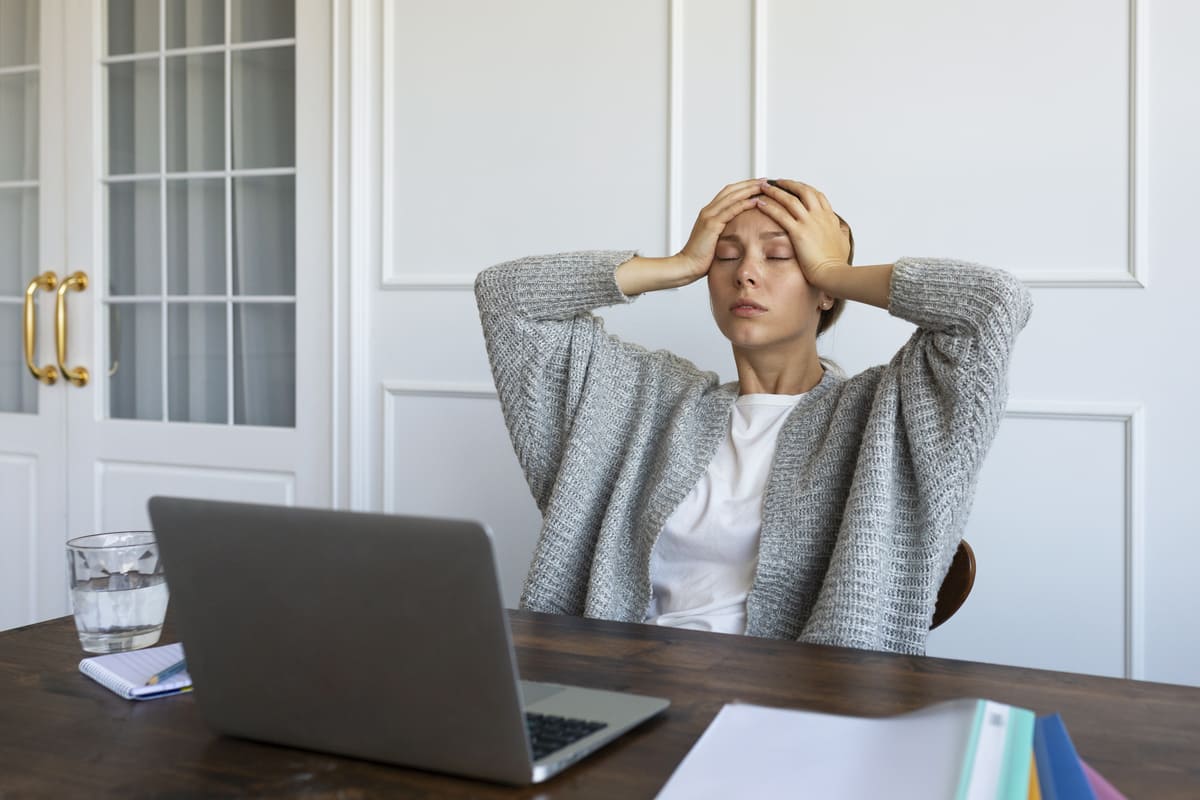
Do you sometimes wake up already tired, reach the middle of the day with little energy or find activities you once managed without difficulty more demanding than usual? Fatigue and menopause are often closely linked, even if the reason is not always immediately clear.
During perimenopause and menopause, hormonal changes can affect sleep, mood, metabolism and the way the body restores its energy. Stress, nutritional deficiencies or other conditions can add to these factors, making fatigue in menopause more intense or persistent.
This does not mean, however, that feeling constantly exhausted is something to accept simply as part of aging. Understanding where fatigue comes from, noticing any accompanying symptoms and knowing when to consult a doctor allows you to address it with greater awareness. In this guide, we look at the most common causes of fatigue in menopause, which habits can help restore energy, and when supplements or specialist support can be useful.
How common is fatigue in menopause?
Sleep disturbances are among the most common symptoms of the menopausal transition and are the main route into daytime fatigue. According to the BMS Tool for Clinicians “Managing sleep disturbance during the menopause transition”, published by the British Menopause Society in 2025, between 40% and 56% of women in menopause report difficulty sleeping. A comparison puts this figure into perspective: among women in the late reproductive stage, the same difficulty affects around 31%. Approximately 26% of women in perimenopause have symptoms severe enough to meet the diagnostic criteria for insomnia.
The burden of fatigue also emerges from Italian workplace data. In the “Menopause and work” survey conducted in 2025 by IULM University for the parliamentary intergroup on menopause, with Fondazione Onda ETS and ManuPausa, involving 1,576 working women aged 45 to 65, increased fatigue in everyday activities due to unrefreshing sleep was the symptom with the greatest overall impact, with a mean score of 4.54 on a scale from 1 to 7. It exceeds hot flashes (3.82) and joint pain (3.70), the two symptoms most commonly associated with menopause.
Fatigue, then, is the symptom that weighs most heavily and receives the least attention.
Fatigue and menopause: what role do hormones play?
Estrogen and progesterone influence functions beyond regulating the menstrual cycle. They contribute to sleep quality, the serotonergic and GABAergic systems that regulate mood and relaxation, energy metabolism, temperature regulation and vasodilation.
When these hormones fluctuate and then remain consistently lower, the systems governing physical and mental energy operate with narrower margins. This is why fatigue often appears before more recognizable symptoms such as hot flashes, and why it can seem to have no obvious cause.
One useful mechanism to understand involves progesterone, whose metabolite allopregnanolone acts on GABA receptors with a natural sedative effect. When progesterone levels fall, many women report feeling more alert in the evening and having greater difficulty falling asleep.
The 3 most common causes of fatigue in menopause

“Why am I always so tired?” is a question many women in menopause ask themselves, precisely because fatigue seems to have no clear explanation. In fact, specific causes of fatigue in menopause can be identified, such as disrupted sleep, a less efficient metabolism and stress.
Recognizing that fatigue is not just a feeling but something concrete has helped many women understand how to address it. Before discussing remedies, however, let’s look more closely at the 3 main causes. Recognizing them individually can already be a first step toward feeling less disoriented. Let’s examine them together, one at a time.
| Cause | Typical sign | Useful first step |
|---|---|---|
| Disrupted sleep | Nighttime awakenings, light sleep, feeling tired on waking | Regularize schedules and light exposure; assess nighttime hot flashes |
| Unrecognized sleep disorders | Snoring, pauses in breathing, restless legs in the evening | Medical assessment, because these conditions are treatable |
| Metabolic changes | Feeling as though you are “moving in slow motion” despite regular sleep and eating habits | Strength training and adequate protein intake |
| Stress and cortisol | Constant tension, difficulty relaxing, fragmented sleep | Evidence-based stress management techniques, such as CBT |
| Nutritional deficiencies | Shortness of breath, pallor, fatigue disproportionate to exertion | Blood tests before any supplementation |
1. Disrupted sleep
One of the main causes of fatigue in menopause is the loss of peaceful, regular sleep. According to the British Menopause Society Tool for Clinicians (2025), between 40% and 56% of women going through the menopausal transition report difficulty sleeping, with direct consequences for concentration, mood and vitality. Sleep quality at this stage is often compromised by hot flashes and night sweats, anxiety or irritability, and hormone-related changes in the circadian rhythm.
Chronically disrupted sleep, typical of the menopausal transition, can lead to an interwoven set of mutually reinforcing consequences: insomnia, fatigue, irritability, difficulty concentrating and remembering, and even muscle and joint discomfort. A position statement from the European Menopause and Andropause Society (EMAS, 2022) confirms this, describing this very group of symptoms as frequently interconnected during the menopausal transition.
To learn more:
Insomnia in menopause - Symptoms, causes and remedies
2. Sleep disorders that remain undiagnosed
Some sleep disorders become more common after menopause and cause daytime fatigue that no habit can correct. The British Menopause Society document specifically highlights the increased prevalence of sleep-related breathing disorders, including obstructive sleep apnea, and restless legs syndrome.
These conditions have precise diagnostic criteria and specific treatments. They should be considered when fatigue persists despite regular schedules and good sleep hygiene, especially when accompanied by snoring, pauses in breathing reported by a sleeping partner, headaches on waking or an irresistible urge to move the legs in the evening.
3. Metabolic changes
As estrogen declines, muscle mass decreases more quickly and insulin sensitivity tends to worsen. Muscle is the tissue that uses the most energy at rest, so losing it makes the body less efficient at managing the energy available.
Many women describe this feeling as moving in slow motion even when they sleep and eat regularly. This is why strength training acts on fatigue more directly than intuition might suggest.
This leads to a kind of “energy debt”, in which the body has greater difficulty turning food into usable energy. Many women describe this feeling as “moving in slow motion”, even when they sleep and eat regularly.
4. Stress and cortisol
The mind and body communicate constantly through hormones. When estrogen and progesterone decrease, the stress response also changes: cortisol tends to rise, creating a constant sense of tension and exhaustion.
Hormonal fluctuations also influence the serotonergic and GABAergic systems. This is one of the hypotheses used to explain the greater vulnerability to anxiety and depressive symptoms during the menopausal transition. The mechanism remains under investigation, while the association between the menopausal transition and an increased risk of depressive symptoms is consistently documented.
5. Nutritional deficiencies
Certain deficiencies can contribute significantly to fatigue in this age group, particularly vitamin D, vitamin B12 and iron.
Iron deserves clarification, because it is the point that causes the most confusion. During perimenopause, heavy, prolonged or closely spaced periods are a common cause of iron deficiency and anemia.
After menopause, when menstrual blood loss stops, iron requirements decrease: iron deficiency that develops after menopause warrants medical investigation to identify its cause, rather than being treated independently with a supplement.
Fatigue and joint pain in menopause: an often overlooked connection
Alongside the more general fatigue in menopause discussed so far, many women notice that fatigue and joint pain tend to occur together, especially on waking.
There is a cause for this type of fatigue too; it is not just a feeling. Declining estrogen reduces the body’s natural anti-inflammatory action and accelerates the loss of muscle mass, a tissue that consumes energy but whose reduction makes the body less efficient at managing it. The result is a feeling of fatigue that adds to physical discomfort, in a self-reinforcing cycle. The stiffer the joints, the less motivated you feel to move, and the less movement there is, the more fatigue tends to persist.
In particular, women often describe heavy, energyless legs, sometimes accompanied by slight swelling or a need to move them to find relief. This type of fatigue can depend on several factors that overlap at this stage, including less efficient peripheral circulation, fluid retention linked to hormonal fluctuations and, in some cases, an overlap with restless legs syndrome. Moving regularly, even just a daily walk, and exercising during menopause remain among the most useful habits for counteracting this feeling.
How to restore energy: remedies for fatigue
Addressing fatigue in menopause requires an approach that brings together body, mind and hormones, because it rarely depends on one isolated factor. Here are some areas it can be useful to work on to combat fatigue in menopause:
-
Move even when you feel tired: the advice seems counterintuitive, and it works: light aerobic activity promotes the release of endorphins, while strength training protects muscle mass, the tissue whose loss fuels fatigue. WHO recommendations for adults call for at least 150 minutes of moderate aerobic activity a week and at least two muscle-strengthening sessions per week.
-
Look after your sleep: keep regular schedules even on weekends, get natural light in the morning, keep the bedroom cool and well ventilated to limit the impact of nighttime hot flashes, and reduce caffeine and alcohol in the evening. When insomnia persists beyond three or four weeks, cognitive behavioral therapy for insomnia (CBT-I) is the intervention with the strongest scientific support.
-
Support energy through nutrition: protein intake distributed across main meals protects muscle mass. Foods rich in iron (legumes, leafy green vegetables, lean meat), vitamin B12 (eggs, fish, dairy products) and magnesium (nuts, seeds, whole grains) help meet daily requirements.
-
Manage stress: among nonhormonal interventions, the Menopause Society’s 2023 position statement identifies cognitive behavioral therapy and clinical hypnosis as the options with the strongest evidence for vasomotor symptoms and their accompanying emotional burden. Practices such as yoga and meditation help many women maintain a sustainable routine.
-
Assess the overall picture with a doctor: when fatigue is persistent, a discussion with a specialist can help rule out other causes and assess the available treatment options. In some cases, hormone replacement therapy can help rebalance hormone levels and support energy and sleep quality: a specialist always determines whether this approach is suitable for the individual situation.
Hormone therapy and fatigue: what the evidence says
Hormone therapy is not indicated for fatigue in itself. However, it acts on two of the factors that most often cause it: vasomotor symptoms and sleep quality. Through this pathway, many women report regaining energy.
The Menopause Society’s 2022 position statement on hormone therapy reports that low-dose estrogen or progestogens can improve chronic insomnia in women in menopause, with positive results in 14 of the 23 studies reviewed. Oral micronized progesterone has a mildly sedative effect, probably through GABAergic activity, which is why it is taken in the evening.
Eligibility for hormone therapy is established through a structured clinical assessment that includes personal and family history, screening for cardiovascular and thrombotic risk, and an assessment of cancer risk, according to the criteria in IMS and EMAS guidelines. This is why this approach requires an individualized medical prescription and ongoing monitoring.
Supplements for fatigue in menopause: what should you know?
When faced with persistent fatigue, it is understandable to wonder whether a supplement could help. The most accurate answer is that it depends on whether you have specific deficiencies, and only a blood test can establish this. Deficiencies in iron, vitamin B12, vitamin D or magnesium are among the most common at this stage and can contribute significantly to fatigue. Taking supplements without knowing whether they are actually needed, however, is not only pointless; in some cases, it can also be counterproductive.
Vitamin D warrants clarification. The EMAS position statement on vitamin D and health in menopause notes that deficiency can negatively affect sleep, mood and joint pain, but does not recommend supplementation as a treatment for menopausal symptoms. Supplementation should be assessed on the basis of blood levels and with medical guidance.
The step before choosing a supplement is therefore to share the complete picture with your doctor, who can recommend the most appropriate tests and interpret the results in the context of your individual situation.
Combating fatigue in menopause: when to see a doctor
Feeling more tired than usual can happen during perimenopause and menopause, especially when sleep is disrupted, stress increases or hot flashes make it harder to restore energy. If fatigue becomes persistent, very intense or starts to affect everyday life, however, it is important not to attribute it automatically to hormonal changes.
A continuous feeling of exhaustion can also have other causes, such as anemia, thyroid changes, nutritional deficiencies, sleep disorders or conditions that require a specific assessment.
A discussion with a doctor is particularly advisable when fatigue:
-
persists for several weeks without improving;
-
is so intense that it interferes with work, everyday activities or social life;
-
occurs alongside dizziness, palpitations, shortness of breath or other unusual symptoms;
-
is accompanied by unintentional weight loss, pronounced apathy or significant mood changes;
-
has appeared suddenly or tends to worsen over time.
In these cases, a doctor can assess the overall picture and, if necessary, recommend the most appropriate investigations.
Feeling tired, then, does not simply mean having to “endure it” or accept it as part of aging. When fatigue is frequent or affects everyday life, it is worth understanding its possible causes more clearly and assessing the most suitable support for your situation.
Disclaimer: the information in this article is intended solely for informational and educational purposes. It does not in any way replace the advice, diagnosis or guidance of a doctor or healthcare professional. If you have questions or symptoms that concern you, always consult a qualified specialist.
Frequently asked questions about menopause and fatigue
Does menopause cause fatigue in every woman?
Not to the same extent for everyone: fatigue is one of the most common signs of the menopausal transition, but its intensity and duration vary greatly from one woman to another, depending on factors such as sleep quality, physical activity levels and the presence of other symptoms, such as hot flashes or mood swings. For some, it remains a mild, temporary nuisance; for others, it becomes something to address more actively with a specialist.
How long does chronic fatigue in menopause last?
There is no single duration for everyone: for many women, fatigue tends to ease once the body settles into its new hormonal state, but in other cases it can persist longer, especially when linked to nutritional deficiencies or unaddressed sleep disorders. When fatigue continues for weeks without improvement, a discussion with a specialist helps identify its specific causes.
What can you do about fatigue in menopause?
To counteract fatigue in menopause, it can help to work on several areas together: maintaining regular sleep schedules, exercising, following a complete diet and trying to reduce stress. If fatigue continues despite these measures, it is advisable to investigate its causes with a specialist.
Are menopause and chronic fatigue linked?
Menopause can contribute to a feeling of fatigue that lasts over time, especially when sleep is disrupted or other symptoms are present. Chronic fatigue, however, should not automatically be attributed to menopause. If it persists for weeks or affects everyday life, it is important to investigate it further.