Menopause belly: hormonal causes and remedies
Updated on Jul 2, 2026
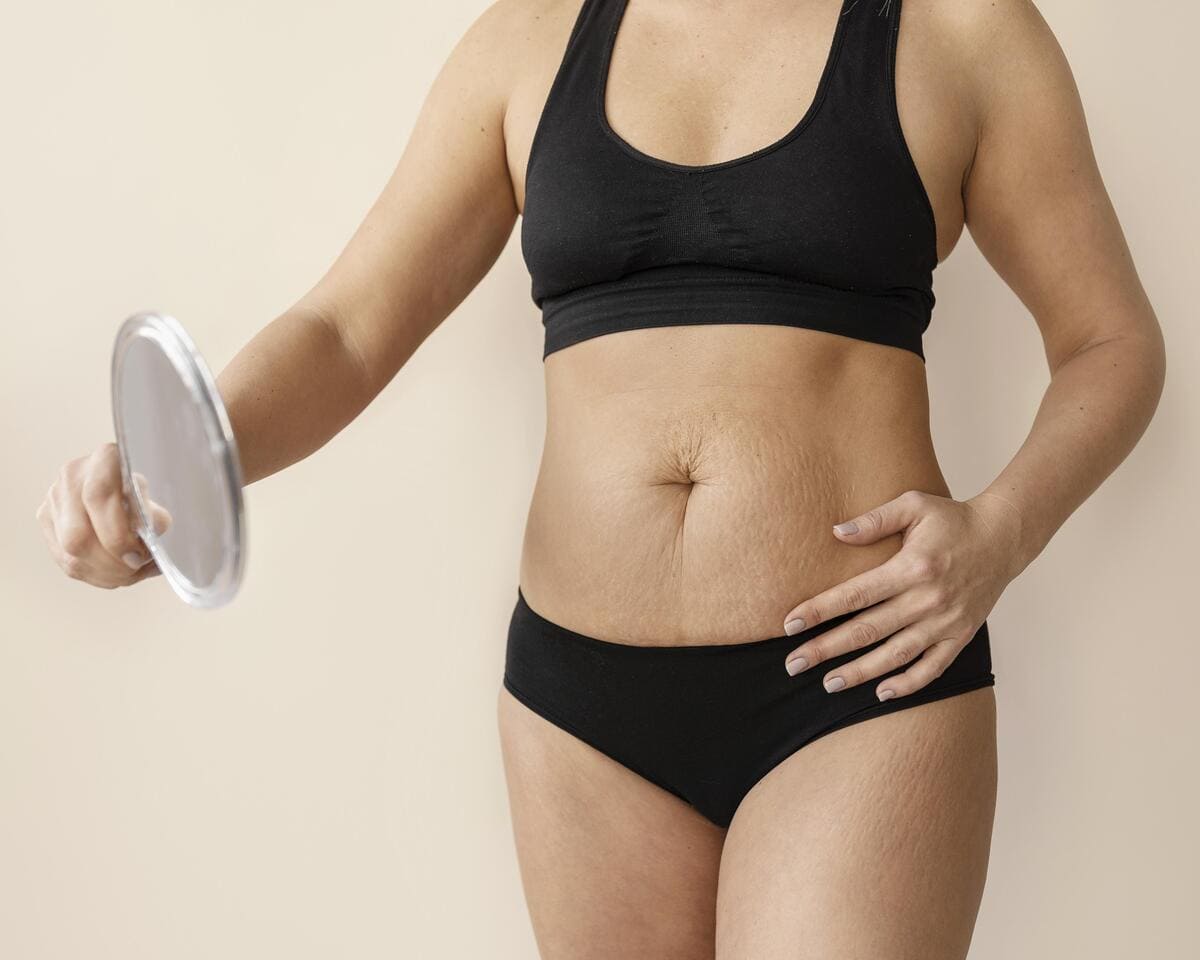
If in recent months you have noticed that your abdomen has changed, that clothes fit differently, that your belly seems to resist anything you try, you are not imagining it. Menopause belly is real, it is documented, and it also has a name used in scientific and clinical discussions: menopause belly.
What often goes unsaid is that this is a signal from the body, a precise biological response to a profound hormonal change. Understanding it is the first step to addressing it effectively, without punitive diets or guilt.
In this article we discuss the causes of belly fat accumulation in menopause, the risks it carries, and the remedies that research and the guidelines of the IMS (International Menopause Society) and EMAS (European Menopause and Andropause Society) indicate as potentially effective.
Menopause belly: what is it and how can you recognize it?
Menopause belly is the accumulation of abdominal fat that many women notice during perimenopause and menopause. We will explore the causes in more detail, but it mainly occurs when estrogen levels decline or metabolic changes lead to a greater tendency to accumulate visceral fat.
Abdominal fat in menopause is far from uniform. Throughout the fertile years, estrogen guides fat storage toward the hips, buttocks, and thighs, following the so-called gynoid pattern, which is metabolically protective. With the decline in estrogen that accompanies perimenopause and menopause, this mechanism is interrupted. Fat shifts toward the abdomen and accumulates mainly as visceral fat, the type that settles around the internal organs.
Subcutaneous fat and visceral fat: the differences
Since we have mentioned it, it is worth explaining the difference between subcutaneous fat and visceral fat. Not all abdominal fat in menopause is the same, and this difference explains why menopause belly is different from the belly you may have with simple weight gain. In menopause, we often talk about visceral fat.
| Subcutaneous fat | Visceral fat | |
|---|---|---|
| Where it is found | Under the skin, throughout the body | Around the internal organs of the abdomen (liver, pancreas, intestine) |
| How it feels | Can be "pinched", softer | Makes the belly feel harder and tighter to the touch |
| Metabolic activity | Relatively inert | Metabolically active: releases inflammatory molecules |
Several longitudinal studies confirm that the menopausal transition accelerates intra-abdominal fat deposition independently of aging. The decline in estrogen is the main cause of this redistribution, supported by preclinical evidence showing that interruption of estrogen signaling accelerates fat accumulation, disproportionately in the abdominal area.
The result is a visible change: the belly changes shape, becomes harder, and is more difficult to modify with the methods that worked before.
Sagging belly in menopause or belly fat: two different phenomena
There is another aspect that is often confused with visceral fat accumulation, but has a different origin: the feeling of a “sagging” or less toned belly.
In this case, the cause may be the decline in collagen and elastin production, the proteins that keep the skin firm and elastic.
When their levels decrease, collagen synthesis slows significantly. Women can lose up to 30% of skin collagen in the first five years after menopause. The result is thinner, less elastic skin that is more prone to sagging, especially in the abdominal area. These two phenomena often coexist, but they require different kinds of attention.
Why you gain weight in menopause: the 4 hormonal causes
Behind menopause belly there is not one single cause, but the combined effect of several changes that occur in the body.
Hormones influence metabolism, body fat distribution, stress response, and insulin sensitivity. Understanding these mechanisms helps explain why the body reacts differently than it used to and why diet and physical activity alone often seem insufficient.
Here are the four main hormonal causes of menopause belly:
-
Estrogen decline: estrogen regulates how the body uses and distributes energy. When it declines, the ratio between testosterone and estradiol shifts in favor of testosterone, encouraging abdominal fat deposition with characteristics similar to the male pattern (android pattern). At the same time, lipolysis in visceral adipose tissue decreases, meaning the ability to mobilize and burn fat in that area is reduced. In practical terms, the body tends to hold onto abdominal fat.
-
Reduction in basal metabolism: menopause also reduces resting energy expenditure. Studies using direct measurements document a decrease in basal metabolism that coincides with the decline in estradiol and the start of the menopausal transition. In practical terms, with the same diet, fat tends to accumulate more easily.
-
Increased cortisol and stress: visceral adipose tissue has a higher concentration of cortisol receptors than subcutaneous fat. When cortisol levels remain chronically high, and in perimenopause this can happen more easily because estrogen modulates the stress response, fat tends to accumulate preferentially in that area. The link between stress, cortisol, and abdominal fat is documented by several studies showing that women with higher cortisol levels have greater visceral adiposity, regardless of total weight. Interrupted sleep, common in perimenopause because of night sweats, also contributes to higher cortisol and a worse metabolic response.
-
Insulin resistance: according to the EMAS guidelines, the metabolic changes of the menopausal transition also include altered insulin sensitivity. Visceral fat produces inflammatory molecules that reduce the cells’ response to insulin. This creates a cycle: more visceral fat, more insulin resistance, more difficulty burning fat.
Recognizing which of these causes is affecting your body the most is not easy to understand alone. A specialist assessment can help you read the signs and understand where to start:
Discover Pausetiv’s endocrinology service specialized in menopause
Risks of abdominal fat for women in menopause
Each of these causes, from estrogen decline to insulin resistance, can have a direct impact on health. Precisely because visceral fat is metabolically active, as we have seen, its accumulation deserves attention well beyond aesthetics.
The IMS World Congress 2024 reiterated that estrogen deficiency increases cardiovascular risk through visceral adiposity, insulin resistance, and chronic inflammation. These risks already begin during the menopausal transition.
Intra-abdominal fat accumulation in menopause can be associated with concrete risks, including:
- Increased risk of metabolic syndrome
- Greater likelihood of developing type 2 diabetes
- Dyslipidemia (altered cholesterol and triglyceride values)
- Hypertension
- Elevated cardiovascular risk
Addressing these causes does not just mean losing weight in menopause. It has a concrete impact on overall health, well beyond physical appearance.
How to reduce menopause belly: effective remedies

If you have made it this far, you are probably not only looking for explanations about menopause belly, but also want to know what you can do in practical terms, where to start, and whether there are effective remedies.
Before we look at them together, there is one important premise to keep in mind: every woman reaches this phase with a different history, hormonal picture, and set of needs. None of these indications should be taken as a rule that applies to everyone in the same way. They are an informational starting point, to be calibrated to your own situation with a specialist.
1. Do targeted physical activity for abdominal fat
Among the most effective remedies for abdominal fat in menopause, physical activity has a central role, but not all exercise has the same effect. It is not enough to “move more”: the type of training matters most.
Guidelines and recent literature agree on two types of activity in particular:
-
Resistance training (weights or bodyweight): this is the type of menopause training that has the greatest impact on body composition. Counteracting muscle mass loss is essential, because muscle is metabolically active tissue that helps burn fat, even at rest.
-
High-intensity aerobic activity (HIIT): this has been shown to be effective in specifically reducing visceral fat, with better results than low-intensity aerobic exercise for the same time investment.
An often underestimated aspect is spontaneous physical activity, because several longitudinal studies have documented that free physical activity declines with menopause, meaning the unstructured movements of daily life. This also contributes to abdominal accumulation, independently of the kind of training you do.
2. Take care of nutrition
Another remedy worth focusing on is nutrition, but probably not in the way you might expect.
If the first instinct is often to drastically cut calories, research tells us that very restrictive diets in menopause tend to make the situation worse in the medium term, because they accelerate muscle mass loss and increase cortisol levels. The most effective approach, supported by research, focuses on nutritional quality even before a simple calorie deficit.
To take care of nutrition and manage weight in menopause as well as possible, it is advisable to:
-
Consume an adequate amount of protein: the ESCEO guidelines recommend an intake of 1.0-1.2 g/kg of body weight per day for women in perimenopause and menopause, distributed across main meals, to preserve muscle mass. Research shows that women in menopause tend to spontaneously reduce protein intake, with negative effects on body composition.
-
Reduce simple sugars and refined carbohydrates: these contribute to increased insulin resistance, which is already affected by menopause.
-
Choose good fats and anti-inflammatory foods: extra virgin olive oil, oily fish, nuts, seasonal vegetables.
-
Pay attention to alcohol: even moderate amounts contribute to abdominal fat deposition and worsen sleep quality, which is already affected in this phase.
Finding the right nutritional balance in this phase is not always easy to manage alone, especially when the body’s needs change compared with before. A pathway with a nutritionist specialized in menopause can help you build an eating plan calibrated to your specific situation and better manage the pathway that may help reduce menopause belly.
3. Reduce stress and do not underestimate sleep
As we have seen, cortisol and visceral fat feed into each other. Reducing chronic stress has measurable biological effects on body composition. Mindfulness techniques, diaphragmatic breathing, yoga, and adequate sleep help regulate the HPA axis (hypothalamus-pituitary-adrenal), reducing the chronic cortisol response.
There is also a remedy that is often not considered immediately but has a huge impact on everything else: sleeping well. Sleep is worth emphasizing, because in perimenopause it is one of the first balances to be disrupted. Night sweats typical of this phase interrupt the deep sleep cycle, which is precisely when the body regulates cortisol levels and restores insulin sensitivity.
This means that a disturbed night of sleep does not only affect the next day’s energy, but also leaves a mark on body composition. For this reason, treating vasomotor symptoms, when present, has an indirect but very concrete impact on this front as well.
Menopause belly and hormone replacement therapy (HRT): what is the connection?
We have often talked in this article about estrogen decline as the main cause of the changes affecting menopause belly. It is therefore natural to ask whether acting directly on this front, with hormone replacement therapy (HRT), can also be useful for reducing abdominal fat.
This is a topic surrounded by conflicting information, often linked to the widespread fear that HRT “causes weight gain”. Scientific evidence, however, tells a different story that is worth exploring.
Most studies that have evaluated the effect of hormone therapy on body composition show a reduction in central fat in women who use it, compared with those who do not. The OsteoLaus study (2018, Oxford University Press), involving more than 1,000 postmenopausal women, documented a significant association between HRT use and lower total and visceral adiposity.
The Korean Society of Menopause guidelines (2025) also confirm that HRT contributes to reducing abdominal fat deposition and improving metabolic and musculoskeletal health indicators.
In summary, we can observe that hormone replacement therapy does not cause weight loss, but may help preserve a woman’s body composition, acting on the hormonal cause.
Understanding whether HRT may be suitable for you is not something that can be established without a specialist consultation, because it depends on your hormonal picture, clinical history, and the symptoms you are experiencing.
Depending on what emerges, the most appropriate professional may be a gynecologist specialized in menopause, for a comprehensive assessment of the menopausal picture, or an endocrinologist specialized in menopause, if the focus is more specifically hormonal and metabolic.
Reducing menopause belly: you cannot do it alone

Almost at the end of this article, you will have understood that one of the most frequent questions on this topic is: how can I reduce menopause belly? Will it disappear on its own?
In reality, the redistribution of fat that occurs with menopause tends to stabilize over time, but reversing it requires a specific intervention. The situation can be changed, but it requires an active, informed approach, supported by professionals who understand the symptoms and changes of the menopausal transition.
It is also important to be aware that it is not just a matter of nutrition, even though, as we have seen, having a balanced nutrition plan can truly help. The hormonal and metabolic component plays an equally important role, which is why the most effective strategies combine several levers together.
The good news, supported by science, is that women who combine resistance training, adequate protein intake, stress management, and, when indicated, hormone therapy achieve concrete results on body composition. Not in weeks, but in months. With consistency and the right support.
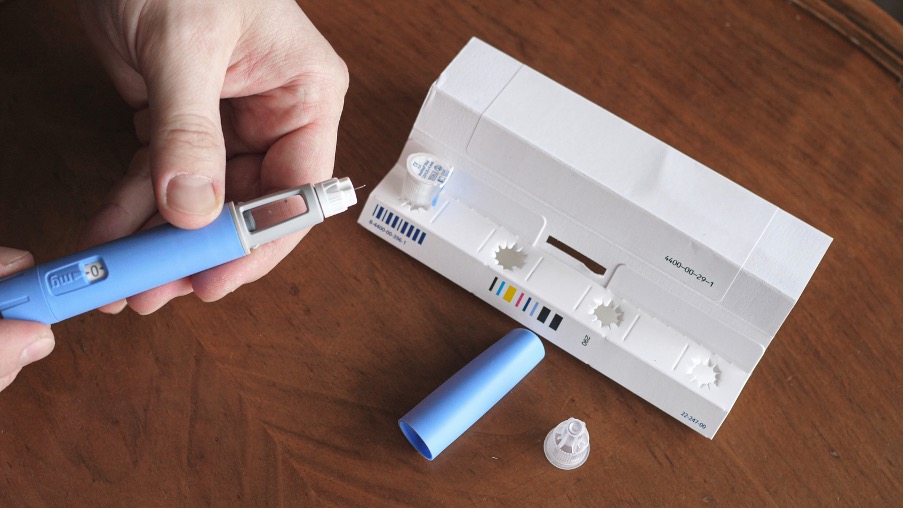
In recent years, research has brought attention to another tool for cases in which visceral fat is particularly resistant. These are GLP-1 receptor agonist medications, known for their effect on glucose metabolism and body weight reduction.
Within the Pausetiv pathway, this option can be evaluated in specific cases, with the support of an endocrinologist, as part of a personalized pathway that takes into account a woman’s hormonal and metabolic profile and cardiovascular risk.
Learn more about the role of GLP-1s in menopause
Pausetiv: a tailored pathway for the changes of menopause
If you recognize the signs described in this article, the first useful step is to understand what is happening in your body at a hormonal and metabolic level.
A specialist assessment can help you:
- Understand which phase of the menopausal transition you are in;
- Assess whether there is a hormonal component that can be treated;
- Build a personalized plan for exercise, nutrition, and, when indicated, hormonal support;
- Monitor body composition over time, not just the number on the scale.
On Pausetiv you can find a multidisciplinary team dedicated exclusively to menopause and perimenopause: gynecologists, nutritionists, and other specialists who work together to offer you a personalized online pathway, accessible and built around your needs.
To start making sense of the signs you are experiencing, you can begin with PauseTest: it helps you understand your symptoms and connect with the specialists best suited to your stage.
Disclaimer: the information in this article is for informational and educational purposes only. It does not replace the advice, diagnosis, or indications of a doctor or healthcare professional. If you have doubts or symptoms that worry you, always consult a qualified specialist.
This article is based on evidence from peer-reviewed literature and international guidelines, including:
- IMS White Paper 2024 (Panay et al., Climacteric 2024)
- State of the Art IMS World Congress 2024 (Simon et al., Climacteric 2025)
- EMAS Clinical Guide on menopause and diabetes (Maturitas 2018)
- OsteoLaus Cohort study on MHT and body composition (JCEM 2018)
- Korean Society of Menopause Guidelines 2025
- Review on healthy adipose tissue in postmenopause (Exploration of Medicine, March 2025)
- Study on subcutaneous and visceral adipose tissue in menopause (Scientific Reports, 2021)
- ESCEO recommendations on protein and vitamin D in postmenopause (Rizzoli et al., Maturitas 2014)
Frequently asked questions about menopause belly
Why do you gain weight in menopause?
Mainly because of the decline in estrogen, which changes how the body distributes and uses energy, encouraging fat deposition in the abdominal area. This is compounded by reduced basal metabolism, increased stress-related cortisol, and changes in insulin sensitivity. You can find these explained in detail in the causes section above.
How can you avoid gaining weight in menopause?
There is no single strategy, but the strongest evidence points to a combination of physical activity (resistance training combined with high-intensity aerobic activity), adequate nutrition with good protein and fiber intake and reduced sugars, plus stress and sleep management. An initial assessment with an endocrinologist and a specialized nutritionist can help you build a tailored plan, because needs vary greatly from woman to woman.
What should you eat in menopause?
In general, a diet that prioritizes quality protein, good fats, fiber, and anti-inflammatory foods, while limiting simple sugars and alcohol. Needs, however, are very individual: for a plan built around your specific situation, working with a nutritionist specialized in menopause remains the most useful reference point.
For more context, you can read our menopause nutrition article: The new American food pyramid: what it really tells us about menopause
Do you lose weight when menopause ends?
Not automatically. Once the transition is over, hormones stabilize, but the metabolism that has changed during these years does not simply go back on its own. Abdominal fat accumulated in this phase responds to specific inputs such as nutrition quality, type of physical activity, stress management, sleep quality, and in some cases hormonal variation too. If you feel that despite your efforts your body is not responding as you would expect, you may want to explore with a specialist what is happening at a metabolic level. You can read more in our article on menopause belly, or discover how Pausetiv can support you.